Pretender Font: Art Deco Style for Crafters
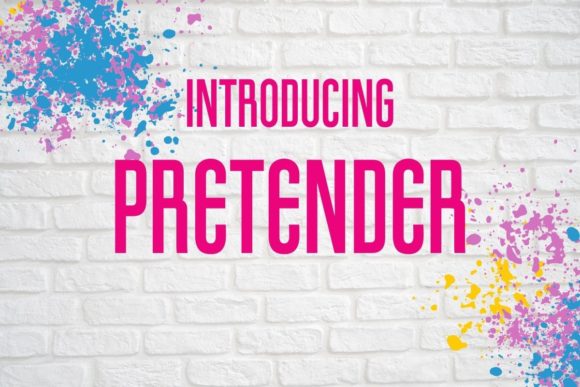
As a small shop owner who spends hours perfecting product labels and designing invitations, I know that the right typeface can make or break a sale. It is not just about letters; it is about the feeling those letters evoke in a customer before they even touch the product. That is why I was so excited to discover Pretender, a narrow, art deco sans serif font that brings a specific kind of vintage charm to modern handmade goods. Inspired by the sheet music cover from an early 20th-century waltz ballad, this typeface carries the elegance of a bygone era while maintaining the clean lines necessary for today's cutting machines and digital printers.
When you are running a handmade business, every detail counts. Whether you are creating SVG files for Cricut projects, designing printable wall art, or printing hundreds of stickers for an Etsy order, consistency and readability are key. Pretender fits perfectly into this workflow. Its narrow structure allows you to fit more text into tight spaces without sacrificing legibility, a common struggle when designing small product tags or candle labels. The beautiful curved lines give it a softness that prevents it from feeling too industrial, making it an excellent choice for brands that want to appear boutique and approachable.
Elevating Product Packaging with Vintage Flair
One of the most practical applications for Pretender is in packaging design. If you sell physical products like soy candles, artisan soaps, or homemade jams, your label is your primary marketing tool. A generic font often makes a product look mass-produced, but Pretender instantly adds a layer of perceived quality. Imagine a kraft paper tag on a linen tote bag featuring your shop name in this font; the art deco influence suggests a careful attention to detail that customers love.
Because Pretender is a sans serif font, it remains incredibly readable even at smaller sizes. This is crucial for ingredient lists on cosmetic labels or care instructions on clothing tags. However, its true strength lies in display use. Use it for the main title on a wedding welcome board or as the headline on a seasonal craft sign. The narrow width means you can create large, impactful text that does not overwhelm the design space, leaving room for decorative elements like floral illustrations or geometric borders typical of the art deco style.
Ideal Projects for Pretender
This font shines brightest when used for short phrases, names, titles, and decorative wording. While it might not be the best choice for long paragraphs of body text due to its stylized nature, it is perfect for:
- Candle and Soap Labels: The narrow fit works well on cylindrical containers where space is limited.
- Wedding Stationery: Use it for invitation headers, menu cards, or place settings to add a 1920s Gatsby vibe.
- Planner Pages and Digital Printables: Create stylish headers for monthly calendars or habit trackers.
- Home Decor Signs: Perfect for farmhouse-style wooden signs or metal wall art with witty sayings.
- Holiday Packaging: Elevate your Christmas gift tags or Halloween treat bags with a touch of vintage flair.
For those of us using cutting machines like Silhouette or Cricut, the clean lines of Pretender ensure that intricate cuts come out smoothly. There are no overly delicate serifs that might tear during weeding, which saves time and reduces material waste. When converting this font into SVG designs for heat transfers on shirts or mugs, the solid strokes hold up well, ensuring your merchandise looks professional even after multiple washes.
Mastering Font Pairing for Brand Identity
A single font rarely builds a complete brand identity. To get the most out of Pretender, you need to pair it effectively. Since it is a narrow, decorative sans serif, it pairs beautifully with contrasting styles. Try combining it with a flowing script font or a handwritten font for a dynamic look. For example, use Pretender for the word "Welcome" in all caps on a doormat design, and pair it with a loose brush script for the family name below it. This contrast creates visual interest and guides the customer's eye through the design.
Alternatively, if you want a more structured, modern look, pair Pretender with a simple serif font. This combination works exceptionally well for logo design and social media graphics. The stability of a traditional serif grounds the whimsical curves of Pretender, resulting in a balanced composition that feels both creative and trustworthy. When designing templates for other creators to use, providing these pairing suggestions adds value to your digital downloads and helps your customers achieve better results.
Practical Tips for Readability and Licensing
While Pretender is stunning, remember that readability should always come first, especially for commercial products. Before finalizing a design for a sticker sheet or a large format print, always preview your work at 100% size. Check how the letters interact at tight kerning values; sometimes narrow fonts need a little extra breathing room to prevent characters from touching. If you are creating designs for clients, ensure that the text is large enough to be read from a reasonable distance, particularly for signage or event decor.
It is also important to check the specific file formats included with the download. Most modern Freebies and premium fonts come in OTF or TTF formats, which are compatible with major design software like Adobe Illustrator, Photoshop, and Canva. Look for features like multilingual support if you plan to sell internationally, or check for alternates and ligatures that might offer unique character combinations for a more custom look. These small details can differentiate your products from competitors who use default system fonts.
Finally, never overlook the licensing terms. Since Pretender is listed under Freebies, it is essential to verify whether the license allows for commercial use. As a seller of physical products, templates, and digital downloads, you need to ensure you have the right to use the font in items you sell for profit. Some free fonts are for personal use only, while others allow unlimited commercial projects. Always read the included text file or the creator's website to confirm you are protected. Using a properly licensed commercial font protects your business and respects the hard work of the type designer.
Incorporating Pretender into your design arsenal can transform ordinary crafts into standout products. Its blend of art deco history and modern functionality makes it a versatile tool for any maker looking to enhance their brand's visual appeal. Whether you are crafting a one-of-a-kind invitation or producing a run of branded merchandise, this font offers the style and reliability needed to succeed in the competitive handmade market.